
Technology has become part of almost every routine. People use smartphones to manage their schedules, laptops to complete professional tasks, smart televisions to enjoy entertainment, and wearable devices to monitor daily activity. Even household appliances are becoming connected and intelligent. What once seemed like an optional convenience is now an important part of how people communicate, work, learn, and organize their lives.
This change has also transformed consumer expectations. Buyers no longer judge a device only by its appearance or basic features. They want reliable performance, long battery life, strong security, convenient software, and compatibility with the technology they already own. A smartphone, for example, may have an impressive camera, but poor battery performance or limited software support can make it frustrating after a few months. The overall experience matters more than a single specification.
The market for tech products is also becoming more complex. Manufacturers introduce new models frequently, while different product categories overlap. A tablet can replace a laptop for some users. A smartwatch can handle notifications and health-related measurements. A smart speaker can control lights, music, and other connected equipment. These developments give consumers more choices, but they also make purchasing decisions harder.
The best buying decision begins with understanding what a device needs to accomplish. A student may prioritize portability and battery life, while a video editor may need a powerful processor, dedicated graphics, and substantial memory. A family choosing a router may care more about coverage and stability than advanced technical features. When buyers understand their priorities, they can compare tech products more effectively and avoid paying for capabilities they will rarely use.
Innovation Is Changing What Modern Devices Can Do
Innovation is no longer limited to making devices faster or smaller. Manufacturers are combining hardware, software, artificial intelligence, and cloud services to create more connected experiences. Many improvements happen behind the scenes. Better image processing, smarter power management, and improved wireless communication can make a device feel more capable without dramatically changing its appearance.
The most useful innovations are those that solve practical problems. A feature should make a task easier, improve reliability, or provide meaningful value. An impressive specification is not automatically a useful feature. Buyers should examine how an innovation works in everyday situations rather than relying entirely on promotional claims.
Smarter Features Powered by Artificial Intelligence
Artificial intelligence is becoming an important part of modern tech products. Smartphones use AI-supported processing to improve photographs, recognize speech, organize images, and suggest useful actions. Laptops increasingly include tools for video effects, transcription, writing assistance, and intelligent search. Smart home devices use automated systems to interpret commands and adjust settings according to user preferences.
These capabilities can make ordinary tasks more convenient. A phone camera may combine several exposures to improve an image in difficult lighting. A laptop may reduce background noise during an online meeting. A smart assistant may recognize a spoken request and control compatible devices without requiring several manual steps.
Some newer devices also process information directly on the hardware instead of sending every request to a remote server. This is often called on-device AI. It can reduce response delays and may offer privacy advantages because certain information stays on the device. However, local processing is limited by available computing power, memory, and battery capacity. More demanding tasks may still require cloud services.
Buyers should examine whether AI features are genuinely useful and whether they require subscriptions or internet access. Some functions may be restricted to specific models, regions, or software versions. Others may become less useful if a manufacturer stops supporting them. The strongest tech products combine intelligent features with dependable everyday performance rather than using AI as a marketing label.
Connected Experiences Across Multiple Devices
Modern devices increasingly operate as part of a wider ecosystem. A person may begin writing a document on a laptop, review it on a tablet, and receive related notifications on a smartwatch. Photos can synchronize across devices, while wireless headphones may switch between a phone and a computer. These connections can reduce friction and make everyday technology easier to manage.
However, compatibility is not always universal. Some manufacturers provide better integration within their own product families than with competing brands. A smartwatch may offer its full range of features only when paired with a particular phone. A tablet may support convenient file sharing with selected laptops but require additional software to work with other systems.
Interoperability standards are helping improve communication between different products, especially in smart homes. Buyers should still verify compatibility before purchasing connected equipment. A smart light, camera, or thermostat may require a particular hub, wireless protocol, or application. Checking these requirements in advance can prevent unnecessary expenses and frustrating setup problems.
A connected ecosystem can be valuable, but it should not become a reason to purchase products that do not meet practical needs. The best arrangement is one that makes devices work together without limiting the owner’s freedom to choose suitable equipment from different manufacturers.
New Materials, Designs, and Energy-Efficient Hardware
Hardware design continues to evolve through improvements in materials, manufacturing, and component engineering. Smartphones and laptops increasingly use lightweight metals, reinforced glass, and carefully designed internal structures. These choices affect portability, durability, heat management, and the overall feel of a device.
Display technology is another area of progress. OLED panels can provide deep blacks and strong contrast because individual pixels can produce their own light. High-refresh-rate screens offer smoother movement, which can benefit gaming and scrolling. Mini-LED technology provides another approach to improving brightness and contrast. However, display quality depends on more than the technology name. Resolution, color accuracy, brightness, viewing angles, and power consumption all matter.
Battery engineering is equally important. Users expect devices to last through long working days without frequent charging. Manufacturers are improving power efficiency through better processors, display controls, and software optimization. Fast charging can reduce waiting time, but heat management and long-term battery health remain important considerations.
Repairability and sustainability are also receiving more attention. Replaceable components, accessible spare parts, durable construction, and longer software support can extend a product’s useful life. Buyers should consider these factors alongside appearance and performance. A slightly thicker device with better cooling and easier repair may provide greater long-term value than an extremely thin model that is difficult to maintain.
Looking Inside the Hardware: What Really Determines Performance
A product’s specifications provide useful information, but they do not tell the whole story. Hardware components work together, and a weakness in one area can limit the performance of the entire system. A powerful processor may struggle when paired with insufficient memory or poor cooling. A high-resolution screen may look impressive but consume more battery than expected.
Understanding the main components helps buyers compare products according to real requirements. It also makes technical marketing easier to evaluate. Rather than assuming that a higher number always means a better device, consumers can examine how each component affects the tasks they actually perform.
Processors, Memory, and Storage Explained
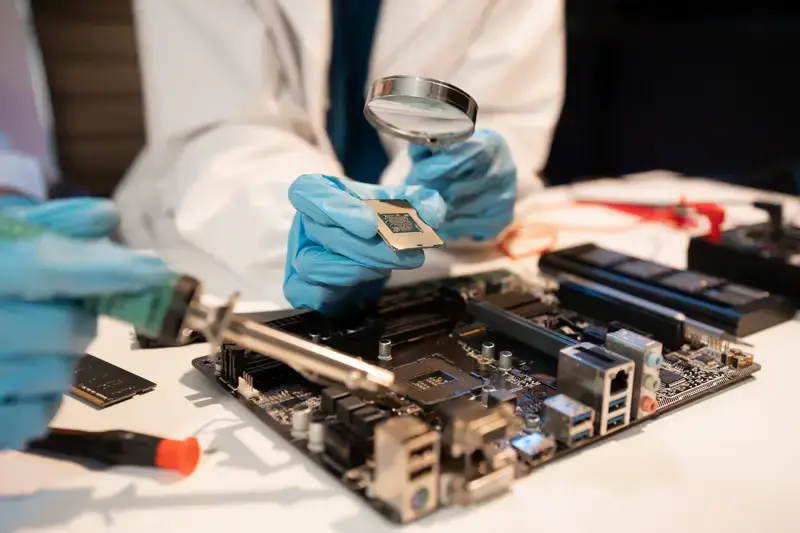
The processor, or CPU, handles instructions and general computing tasks. Its performance influences how quickly a computer opens applications, processes information, and manages multiple activities. Modern processors contain multiple cores that can handle different tasks simultaneously. However, core count alone does not determine performance. Architecture, clock behavior, power limits, and cooling also matter.
Graphics processors, commonly called GPUs, handle visual workloads. They are important for gaming, 3D design, video editing, scientific computing, and many AI applications. Some computers use integrated graphics built into the processor, while others include dedicated graphics hardware. Integrated graphics can be sufficient for office work and everyday media use. Dedicated GPUs are more suitable for demanding visual tasks.
RAM provides temporary working space for active applications and data. More memory can improve multitasking and help demanding programs operate smoothly. A basic laptop used for browsing and document editing has different memory requirements from a workstation running large creative applications. Insufficient RAM can cause slowdowns when several programs are open.
Storage holds files, applications, and the operating system. Solid-state drives are generally much faster than traditional mechanical hard drives. NVMe SSDs can provide especially high transfer speeds, making them useful for large projects and demanding workflows. Buyers should consider both capacity and speed. A fast drive with insufficient space can still become inconvenient.
When evaluating tech products, it is important to assess these components as a system. A balanced device often provides a better experience than one with a powerful headline specification and several weak supporting components.
Displays, Batteries, Cameras, and Connectivity
A display influences how comfortable and enjoyable a device is to use. Resolution determines the level of detail, while brightness affects visibility in different lighting conditions. Refresh rate describes how frequently the screen updates its image. Higher refresh rates can make movement look smoother, but they may increase power consumption. Color accuracy matters especially to photographers, designers, and video editors.
Battery capacity is usually measured in watt-hours for laptops and milliampere-hours for many smaller devices. However, capacity alone cannot predict actual battery life. Processor efficiency, display brightness, background applications, wireless connections, and software optimization all affect how long a device lasts. Independent battery testing under realistic conditions is more useful than relying only on manufacturer estimates.
Camera specifications also require careful interpretation. A high megapixel count does not automatically produce better photographs. Sensor size, lens quality, image stabilization, autofocus, and image processing all contribute to the final result. Buyers should look at sample photographs and video recordings under different lighting conditions rather than judging a camera by its headline number.
Connectivity can determine whether a device fits smoothly into an existing setup. Wi-Fi standards, Bluetooth versions, USB ports, HDMI connections, and cellular support affect how equipment communicates and transfers information. Professionals may need specific ports for external displays or storage devices. Travelers may value reliable wireless connectivity and support for local mobile networks.
The best device is not necessarily the one with the longest specification sheet. It is the one whose display, battery, camera, and connections match the user’s everyday requirements.
Evaluating Tech Products Before Spending Your Money
A thoughtful evaluation should begin with real-world performance. Manufacturer specifications are useful, but independent testing helps show how a device behaves under normal conditions. Reviews should examine startup speed, application performance, battery life, temperature, noise, camera quality, and reliability. A laptop that performs well for a few minutes may slow down during longer workloads if its cooling system cannot manage heat effectively.
Build quality deserves equal attention. Check the materials, hinges, buttons, ports, screen protection, and overall construction. For portable devices, weight and durability matter because the product may be carried and handled every day. Water and dust resistance ratings can provide useful information, but they should not be treated as a guarantee against every type of damage.
Software support is another major part of product quality. Operating system updates can improve security, fix problems, and introduce new features. A device with excellent hardware may become less attractive if it receives limited updates. Before buying, check the manufacturer’s support commitment and whether essential applications will remain compatible.
Privacy and security should also be considered. Look at biometric options, encryption support, permission controls, account protection, and the manufacturer’s update history. Connected devices may collect information about location, usage, voice commands, or personal routines. Buyers should understand what data is collected and how it is managed.
Warranty terms and repair options can make a significant difference to long-term ownership. A low purchase price may become expensive if replacement parts are difficult to obtain or repairs cost more than expected. Independent reviews are most useful when they explain testing methods and identify limitations. No single review should determine a purchase. Comparing several reliable assessments provides a more balanced picture.
Choosing the Right Device for Different Needs
There is no universal best product. A device that is ideal for a professional photographer may be unnecessary for someone who mainly checks email and watches videos. Good buying decisions come from matching hardware capabilities with the user’s workload, budget, and preferences.
Products for Work, Study, and Creative Projects
Students often need a balance of portability, battery life, affordability, and dependable performance. A lightweight laptop with a comfortable keyboard, a clear display, and enough memory for everyday applications may be more useful than an expensive workstation. For students working with engineering, architecture, or media software, however, stronger processing and graphics capabilities may be necessary.
Remote workers should consider ergonomics and communication features. A comfortable keyboard, accurate webcam, good microphone, and reliable wireless connection can improve the working day. External monitors and docking stations may also be worthwhile for people who spend long hours at a desk. Battery life becomes especially important for those who frequently work away from a fixed location.
Creative professionals have different priorities. Video editors may need powerful CPUs, dedicated GPUs, fast storage, and high-quality displays. Graphic designers may place greater emphasis on color accuracy and pen support. Photographers often benefit from accurate screens, card readers, and sufficient storage for large image libraries. The right tech products should support the software and file sizes used in the actual workflow.
Compatibility is essential. Before purchasing a computer, check the recommended requirements of the applications that will be used. A device that appears powerful on paper may still struggle with a particular professional program. Choosing hardware according to the real workload prevents unnecessary upgrades and helps protect the investment.
Entertainment, Gaming, and Smart Home Technology
Entertainment devices need to deliver a smooth and enjoyable experience. Television buyers should consider screen size, resolution, brightness, contrast, refresh rate, and available streaming applications. Audio quality is another important factor. A television with an excellent display may still benefit from a separate soundbar or speaker system.
Gaming hardware requires a more detailed evaluation. The processor and GPU influence frame rates, while RAM and storage affect responsiveness and loading times. Monitor refresh rate, resolution, and response time also influence the experience. Competitive players may prioritize high refresh rates and low input latency, while story-focused gamers may prefer visual detail and immersive sound.
Routers and smart home devices require attention to reliability and compatibility. A router should provide sufficient coverage for the size of the property and support the number of connected devices. Smart cameras, lighting systems, sensors, and speakers should work with the existing network and preferred control platform. Security updates and manufacturer support are especially important because these devices remain connected for long periods.
Before buying, consider how equipment will be installed and maintained. A product with impressive features may become frustrating if setup is difficult or its application is unreliable. Practical convenience is a major part of product value.
Price, Value, and the Real Cost of Ownership
The most expensive device is not always the best purchase. Entry-level tech products can be excellent for everyday tasks, while mid-range models often provide a useful balance of performance and price. Premium products may offer stronger materials, advanced displays, better cameras, or specialized capabilities. Their additional cost is worthwhile only when those advantages matter to the buyer.
Total ownership cost includes more than the initial purchase. Accessories, software subscriptions, cloud storage, replacement batteries, repairs, and energy consumption can increase the amount spent over time. A printer, for example, may have an attractive purchase price but expensive ink cartridges. A smart device may require a paid subscription to access important features.
Depreciation is another consideration. Smartphones, laptops, and other electronics can lose resale value as new generations appear. However, frequent upgrades are not always financially sensible. If an existing device still performs well, receives security updates, and meets daily needs, keeping it longer may provide better value.
Buyers should compare the cost of ownership over the period they expect to use a product. A slightly more expensive laptop with a stronger warranty, longer software support, and repairable components may cost less over several years than a cheaper model that needs early replacement. The best purchase is the one that delivers useful performance for an acceptable long-term cost.
Conclusion
Modern tech products offer impressive possibilities, from AI-supported features and powerful processors to connected ecosystems and more efficient hardware. Yet innovation alone does not determine whether a device is worth buying. Performance, software support, security, durability, compatibility, and ownership costs all influence the experience.
The most effective way to choose technology is to connect product features with real needs. Understand the hardware, compare independent reviews, consider long-term support, and evaluate the complete cost rather than focusing only on the purchase price. A well-chosen device should make everyday tasks easier without creating unnecessary expense or complexity.
Technology will continue to evolve, but smart buying principles remain consistent. Choose carefully, prioritize reliability, and invest in features that genuinely improve your life. Better decisions lead to better experiences and help ensure that your next technology purchase remains valuable long after the latest launch headlines disappear.